categoryGetting Started
How to Choose Your First Credit Card
New to credit? Our complete guide walks you through everything you need to know before applying.


New to credit? Our complete guide walks you through everything you need to know before applying.
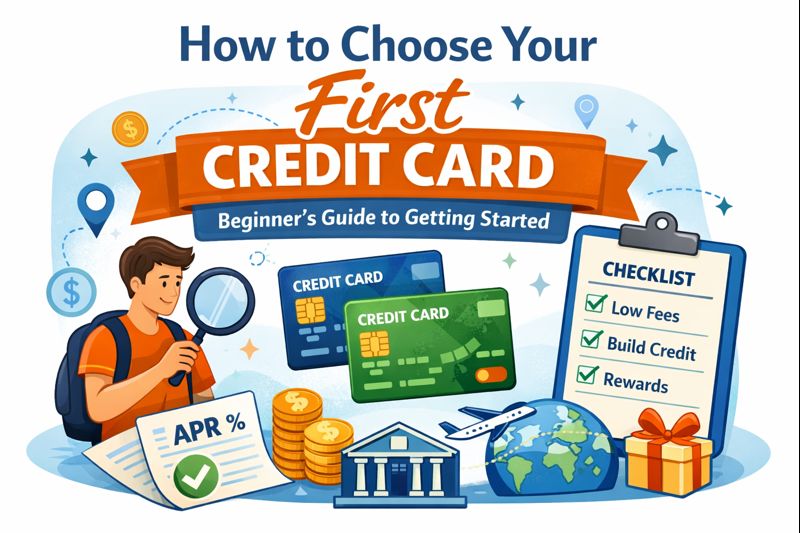
Entering the world of credit can be exciting — but also a little confusing. Your first credit card is an important financial milestone. When chosen wisely, it can help you build a strong credit history, manage your cash flow, and unlock valuable rewards. But the wrong choice can leave you with high fees, unnecessary debt, and a lower credit score. At HelloBetterCredit.com, we know how overwhelming your first credit card decision can be — so we've broken it down into simple, actionable steps.
Before applying, ask yourself:
Are you trying to build or improve your credit score?
Do you want rewards like cashback or travel points?
Is your priority low cost or flexibility in payments?
To confidently choose your first card, you should understand these basics:
Annual Percentage Rate (APR): This is the interest rate you pay on unpaid balances. For beginners, lower APR or interest-free periods can be helpful if you carry a balance.
Annual Fee: Some cards charge a yearly fee just for having the card. Starter cards for beginners often have no annual fee — ideal when you're building credit.
Credit Limit: This is the maximum amount you can borrow on your card. First-time applicants usually start with a modest limit — that's okay!
Rewards & Benefits: Cashback, points, or perks like travel insurance — these add value but should never outweigh cost or suitability.
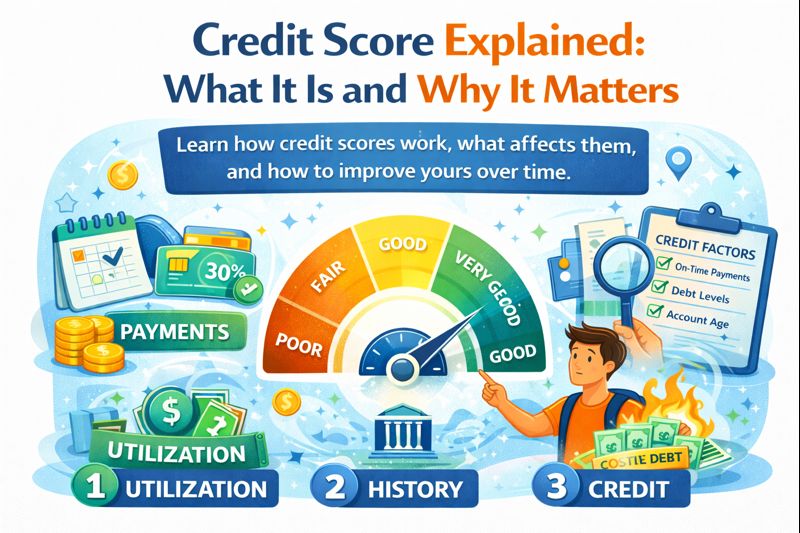
Your credit score heavily influences whether you'll be approved and what terms you'll receive.
If your score is poor or limited, focus on credit-builder cards.
If your score is fair to good, you may qualify for cards with rewards and better benefits.
If you haven't checked your score yet, numerous free tools and reports can help you gauge where you stand.
Here are some card types ideal for first-time applicants:
No Annual Fee Cards: Perfect for beginners because they keep costs low while you learn to manage credit.
Student Credit Cards: Specifically built for students with limited credit history.
Secured Credit Cards: You provide a security deposit, which becomes your credit limit — great for building or rebuilding credit responsibly.
Low-Interest Cards: If you think you might carry a balance sometimes, a lower APR can reduce interest charges.
Before you hit 'Apply,' look for:
Annual fees — avoid if you're just building credit
Late fees & penalties — know what happens if you miss a payment
Introductory offer length — how long you'll enjoy special APR or rewards
Each credit card application results in a hard inquiry — a temporary dip in your credit score.
Only apply for cards you're likely to qualify for
Space out applications if needed
Keep your credit utilization (the ratio of your balance to your limit) low
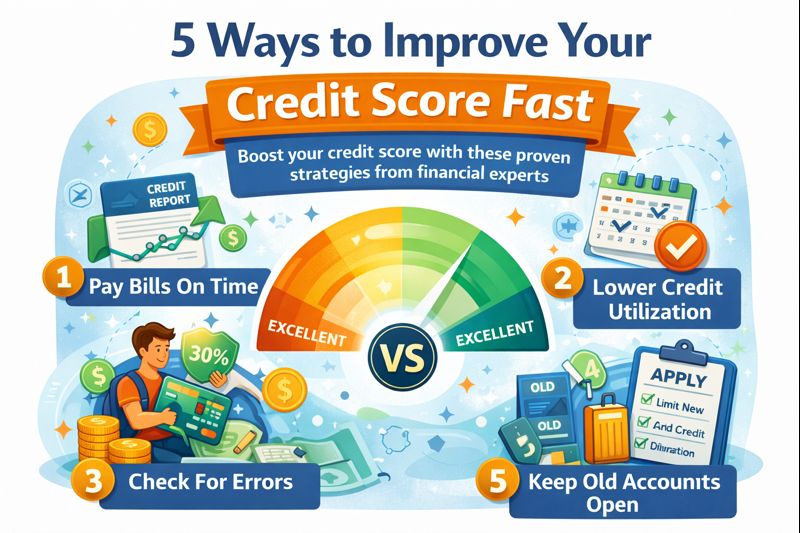
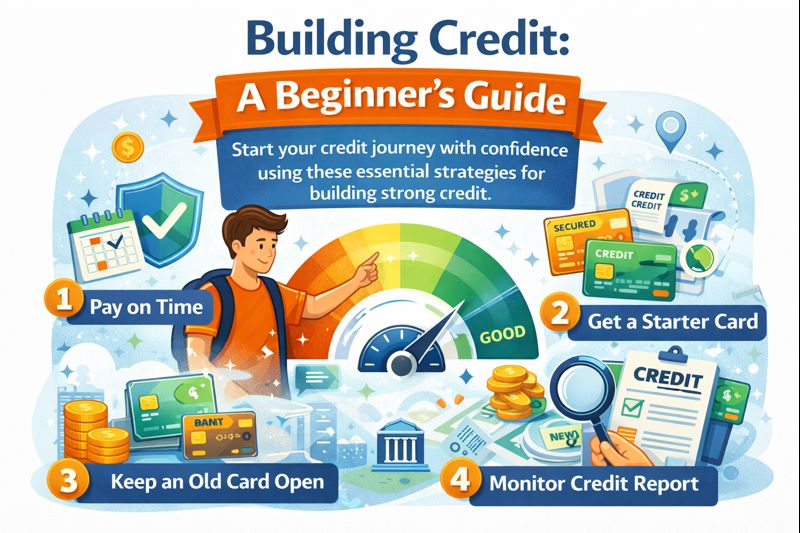
Once you have your first credit card:
Pay on time — every time
Pay in full when possible to avoid interest
Keep utilization low (under 30% of your limit)
Track your statements monthly
Your credit journey doesn't end once you get approved. Regularly check your credit score and report to:
Spot errors or fraud quickly
Understand how your habits affect your score
Plan upgrades to better cards down the line
Compare 200+ credit cards and find the one that matches your needs and goals.
Browse All Cardsarrow_forward