categoryCredit Score
Credit Score Explained: What It Is and Why It Matters
Learn how credit scores work, what affects them, and how to improve yours over time.


Learn how credit scores work, what affects them, and how to improve yours over time.
Your credit score is one of the most important numbers in your financial life — yet many people don't fully understand how it works or why it matters. Whether you're applying for a credit card, loan, apartment, or even certain jobs, your credit score can play a major role. At HelloBetterCredit.com, we're here to simplify credit so you can make confident financial decisions. Let's break it down.
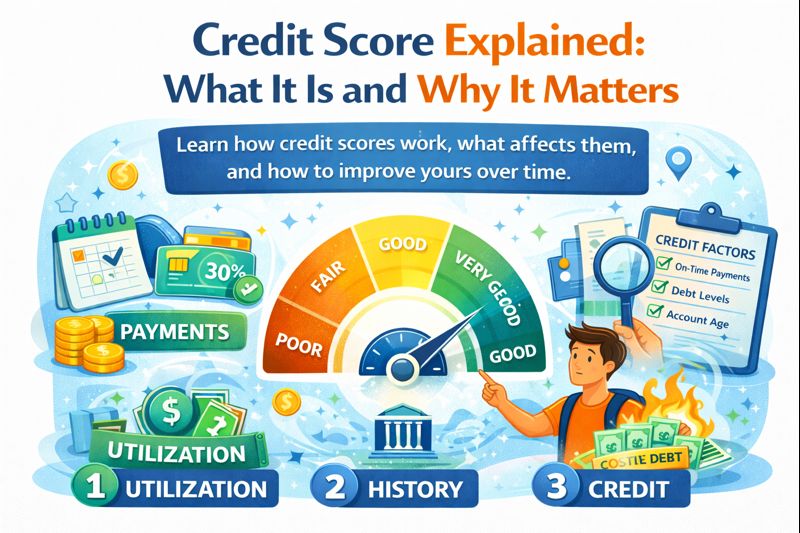
A credit score is a three-digit number that represents how trustworthy you are as a borrower. Lenders use it to estimate the likelihood that you'll repay borrowed money on time. Most scores range from 300 to 850, with higher scores indicating lower risk.
Understanding where you stand:
300–579: Poor
580–669: Fair
670–739: Good
740–799: Very Good
800–850: Excellent
The higher your score, the better your chances of approval — and the lower your interest rates
Five key factors determine your credit score:
Payment History (Most Important): Paying bills on time has the biggest impact
Credit Utilization: How much of your available credit you're using (lower is better)
Length of Credit History: Older accounts help increase your score
Credit Mix: Managing different types of credit responsibly can help
New Credit Inquiries: Too many applications in a short period can lower your score
A strong credit score can help you:
Qualify for better credit cards
Secure lower interest rates
Save money on loans
Get approved faster
Improve financial flexibility
A lower score can limit options and increase borrowing costs
Take these actionable steps:
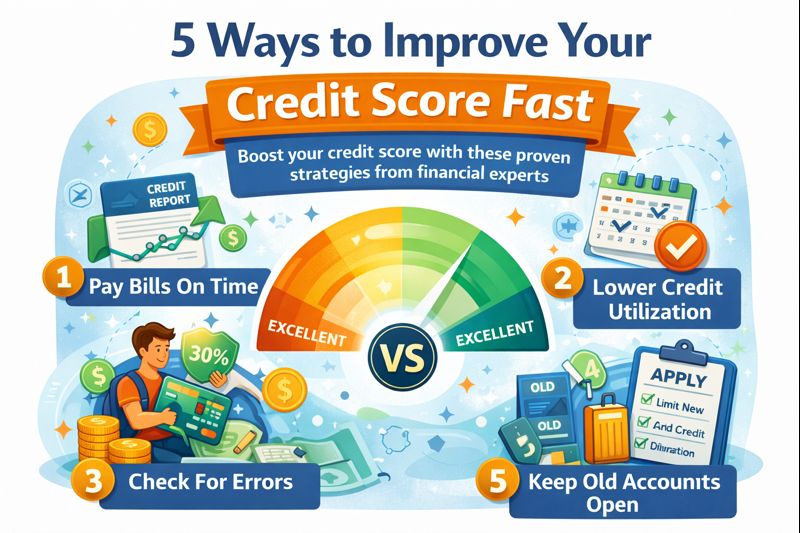
Pay all bills on time
Keep balances below 30% of your limit
Check your credit report for errors
Avoid unnecessary credit applications
Keep older accounts open
Small, consistent actions can lead to meaningful improvements
Timeline for improvement:
30–60 days: Small improvements from reduced balances
3–6 months: Noticeable progress with good habits
12+ months: Strong, stable credit profile
Patience and consistency are key
Don't believe these misconceptions:
Checking your own credit hurts your score (FALSE)
You need to carry a balance to build credit (FALSE)
Closing old cards always helps (FALSE)
High income means a high credit score (FALSE)
Understanding the truth helps you avoid costly mistakes
Tracking your credit score helps you:
Spot fraud early
Measure progress
Stay motivated
Most tools allow you to check your score without impacting it
Compare 200+ credit cards and find the one that matches your needs and goals.
Browse All Cardsarrow_forward